




Why is Women’s Mental Health Important?

Some mental disorders are more common in women compared to men, including depression, anxiety disorders, and eating disorders.

There are also some mental health issues that pertain specifically to women. For example, women tend to experience heightened symptoms of depression at times of hormone change, such as:

A pregnant woman gently holding her belly

Prenatal Depression

Prenatal Depression is depression that happens during pregnancy. It can affect you at anytime during pregnancy. Prenatal Depression is different from Postpartum depression, as Postpartum Depression occurs after pregnancy. Symptoms of Prenatal Depression are ongoing or extreme sadness. Prenatal Depression can also cause increased anxiety, fatigue, and trouble sleeping. You may also withdrawal from others and lose interest in activities that you once enjoyed.

For more information, please visit: https://my.clevelandclinic.org/health/diseases/22984-prenatal-depression

A person putting a baby in the crib late at night

Postpartum Depression

Postpartum Depression is depression that happens after pregnancy. They are often mistaken for “Baby Blues”, but they are more intense and last longer. Postpartum depression may eventually interfere with your ability to care for your newborn baby and handle other daily tasks. Symptoms usually develop within the first few weeks after giving birth, but they may begin during pregnancy, or up to a year after giving birth.

For more information, please visit: https://www.mayoclinic.org/diseases-conditions/postpartum-depression/symptoms-causes/syc-20376617

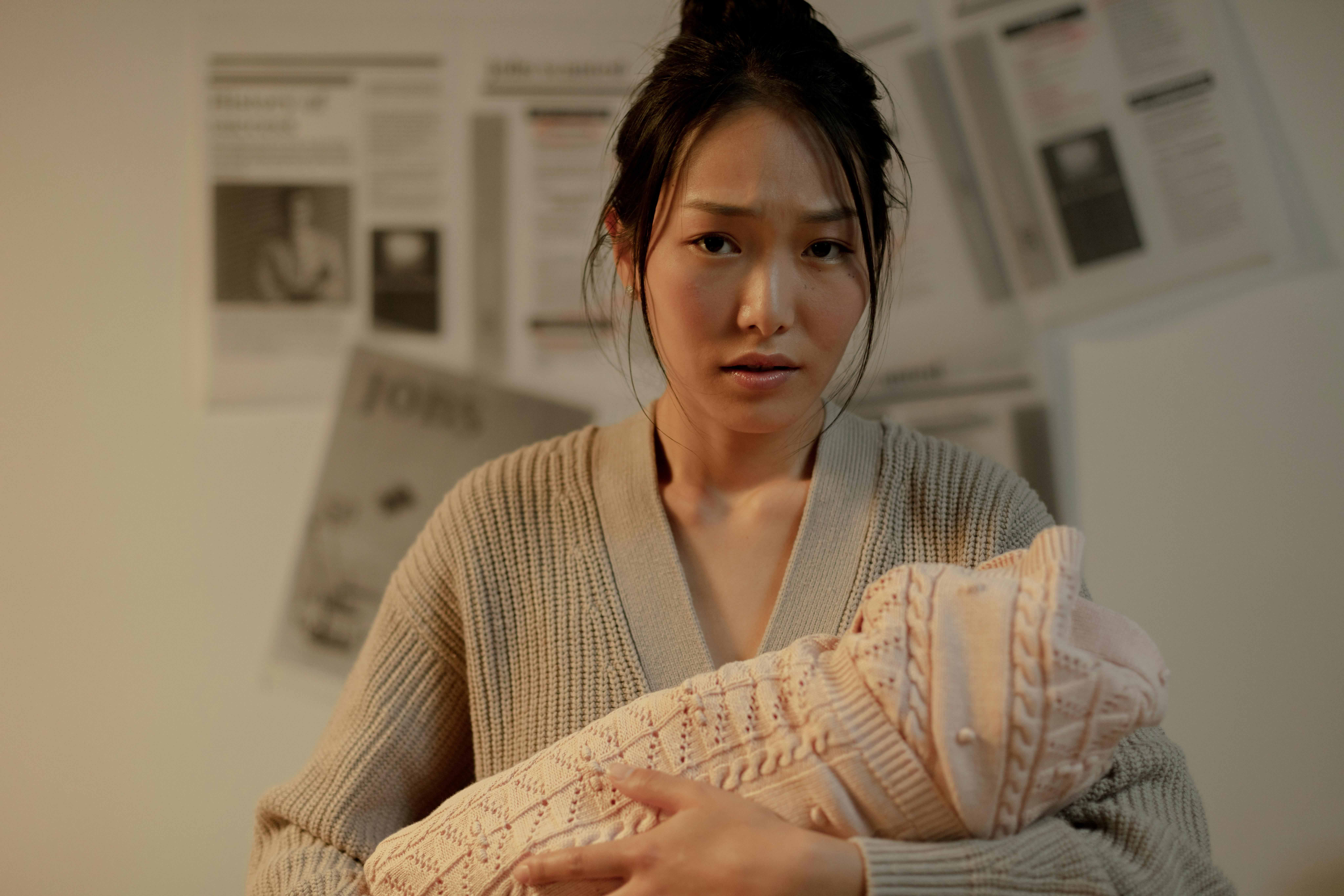
A person holding a baby in their arms looking at the view with a look of concern

Postpartum Psychosis

Postpartum Psychosis is a rare condition that usually develops within the first week after giving birth. The symptoms are more severe compared to Postpartum Depression.

For more information, please visit: https://my.clevelandclinic.org/health/diseases/24152-postpartum-psychosis

A woman holding her stomach and looking unwell in bed

Premenstrual Dysphoric Disorder

Premenstrual dysphoric disorder (PMDD) is a severe form of premenstrual syndrome (PMS). Premenstrual Dysphoric Disorder can affect anyone who have started their menstrual cycle. The cause of Premenstrual Dysphoric Disorder is unknown. It may be an abnormal reaction to hormone changes that happen with each menstrual cycles. The symptoms of PMDD may overlap with symptoms of other health conditions.

For more information, please visit: https://www.hopkinsmedicine.org/health/conditions-and-diseases/premenstrual-dysphoric-disorder-pmdd

A woman kneeling in bed and holding her legs with a sad expression

Perimenopausal Depression

Perimenopause is the transition that females go through before reaching menopause. Perimenopausal depression is when women experience mood changes upon transitioning into menopause. It can be caused by the fluctuating levels of estrogen in women.

For more information, please visit: https://give.brighamandwomens.org/perimenopause-and-depression/

Group of three people holding there hands high in the air

Resources

If you or someone you know are experiencing any of these symptoms, refer to a primary care provider for help. They can refer you to a psychologist, psychiatrist, or clinical social worker who can help you figure out the next course of action.

DISCLAIMER: While our services are intended to help manage mental health issues, we are not professionals and this site is not intended to diagnose anyone. If you, or a loved one, are experiencing any symptoms, please reach out to a primary care provider for the next steps.

If you or someone you know is struggling or having thoughts of suicide, call or text the 988 Suicide and Crisis Lifeline at 988 or chat at 988lifeline.org. In life-threatening situations, call 911.

Federal Resources for Additional Help:

Three women smiling with pink ribbon on them A therapist and a client engaged in a therapy session, discussing emotional well-being.
A woman wearing a headset and microphone

Health hotlines

• 988 Suicide & Crisis Lifeline: This Lifeline provides free and confidential emotional support to people in suicidal crisis or emotional distress 24 hours a day, 7 days a week, across the United States. Call or text 988 to connect with a trained crisis counselor. Support is also available via live chat.

• National Maternal Mental Health Hotline: This hotline offers free, confidential mental health support for moms and their families before, during, and after pregnancy. Call or text 1-833-TLC-MAMA (1-833-852-6262) to connect with counselors 24 hours a day.

• Disaster Distress Helpline: This helpline provides immediate crisis counseling for people experiencing emotional distress related to any natural or human-caused disaster. The helpline is free, multilingual, confidential, and available 24 hours a day, 7 days a week. Call or text 1-800-985-5990.

• Veterans Crisis Line: This crisis line is a free, confidential resource for veterans of all ages and circumstances. Call 988 then press 1; text 838255; or chat online to connect with 24/7 support.